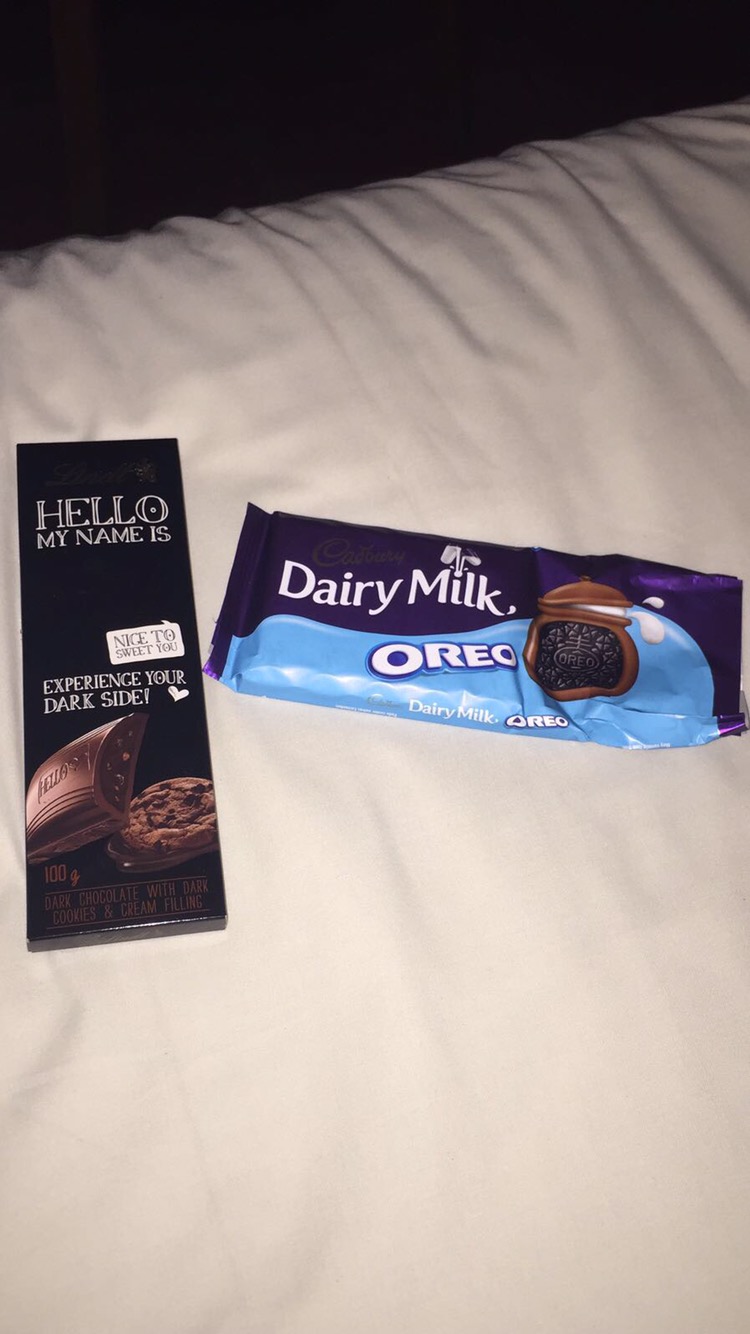
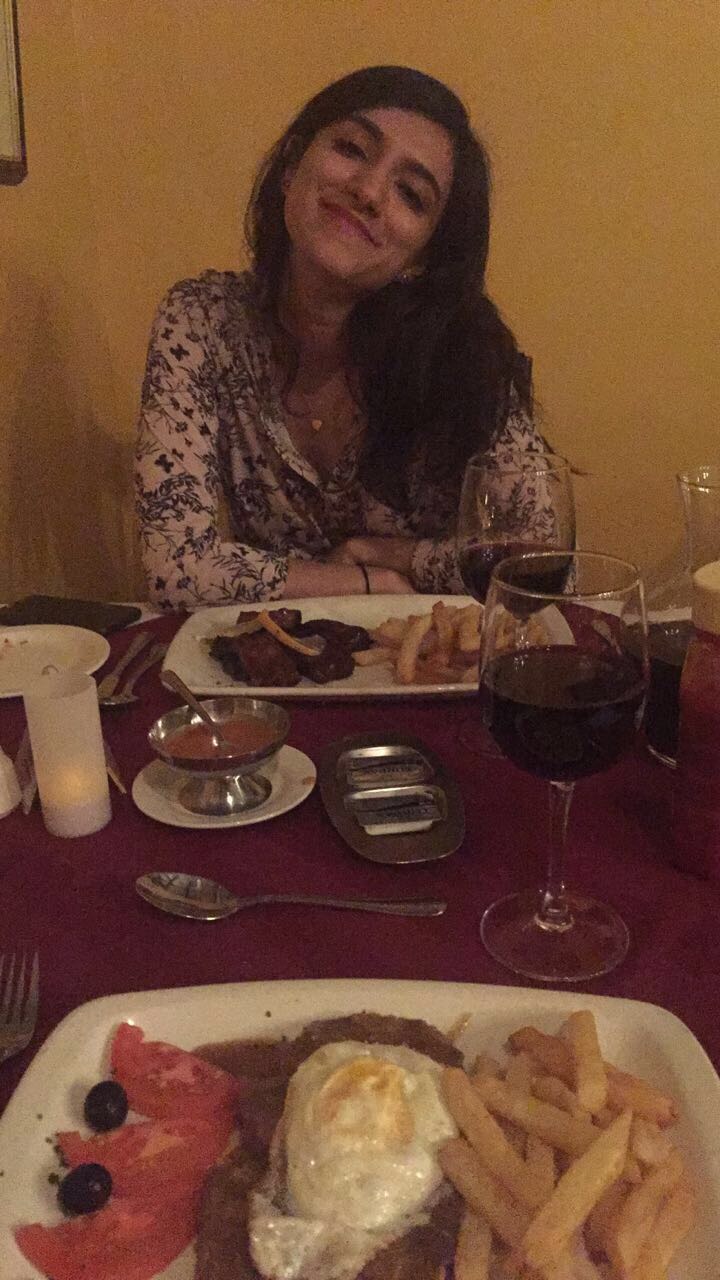
If we’re going to be honest, there are only a few reasons why I came back to Southern Africa: the avos, chocolate and wine. Just kidding! Although they are huge benefits to being back here, that’s not why I really came.
My school, the University of Maryland Baltimore has a global health department which organizes global health initiatives that students are able to participate in. Most of the locations for the initiatives were throughout Africa- all health related- and I chose to apply to the one in Botswana. For one, I was in Botswana exactly one year ago and loved it. Plus it’s the next door neighbor to my second home, South Africa. Additionally, the research project here is about HIV, an interest of mine. This area of the world has a heavy prevalence of HIV and throughout my years of college, I’ve gotten a pretty good foundation on the disease. Fortunately I was selected as one of the two students to receive the grant (the other student is a MPH student named Rhiya), and the trip was completely coordinated for us by the global health department. The grant used to fund the research project paid for my flight and accommodation, so the only thing left for me to pay for was food and transportation. Not bad for a broke college student.
Like I said, the research project I’m doing is about HIV. We are examining the effects of a new medication, called dolutegravir (pronounced doll-you-teg-ruh-veer). It’s an integrase inhibitor which basically means that it stops the HIV virus from integrating it’s RNA into the DNA of CD4 cells. Otherwise the CD4 cells will die. CD4 cells are a specific type of white blood cell that helps the body fight infection. Without adequate CD4 cells, a person’s body can easy succumb to opportunistic infections, which is what makes HIV so deadly.
The ministry of health in Botswana didn’t begin prescribing dolutegravir until June 2016, so the medication is relatively new. So far it’s been generally well tolerated, but we’re collecting evidence that’ll prove it. We are looking at a couple of different things: viral load (which shows whether or not the medication is effective and virus is being suppressed- less than 400 copies/mL here is considered undetectable and under control), CD4 count (which measures immune function- the higher the better) and any side effects patients have. The most common side effect reported and that we’ve seen is headaches. Dolutegravir is taken in combination with other ARTs, usually truvada, and is the first line regimen for newly infected patients.
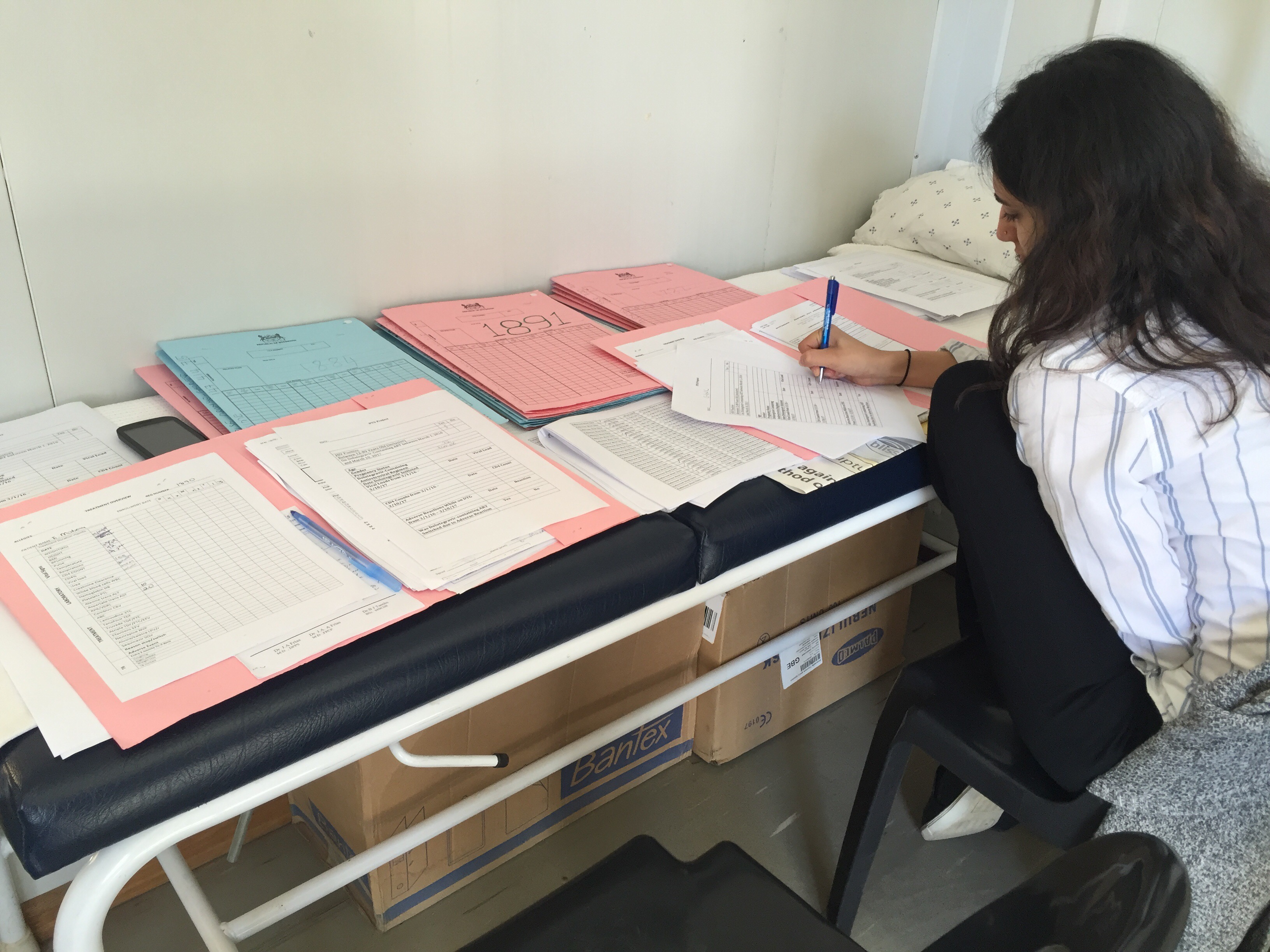
Health records are kept very differently here than in the US. In the US, pretty much all practices have converted to using electronic databases to store patient health history and information. Here, everything is still on paper, which makes the process a little more lengthy. That’s not the only thing different between health care but more on that in another post. Rhiya and I have spent the past few weeks going through patient files (roughly 1200). We’ve been at a different clinic each week: the first was Gaborone West, then Broadhurst and lastly Bontleng. Now we’re putting all the data we gathered into an excel sheet.
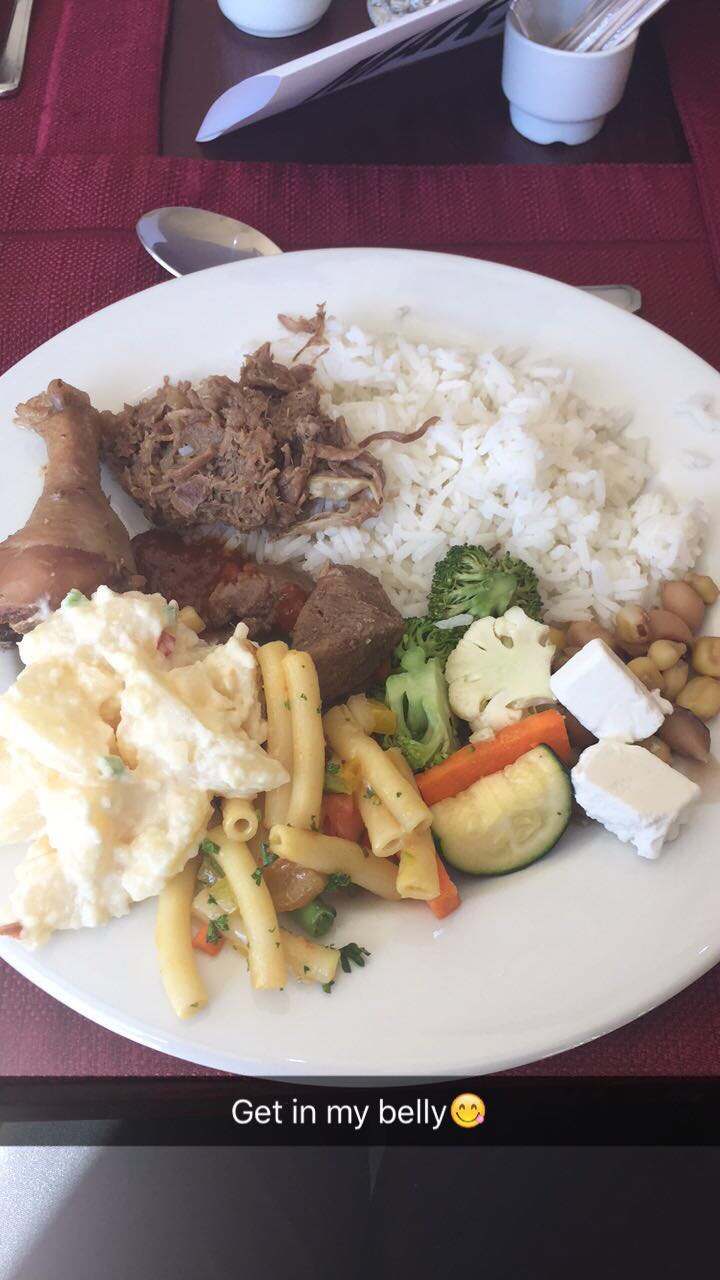
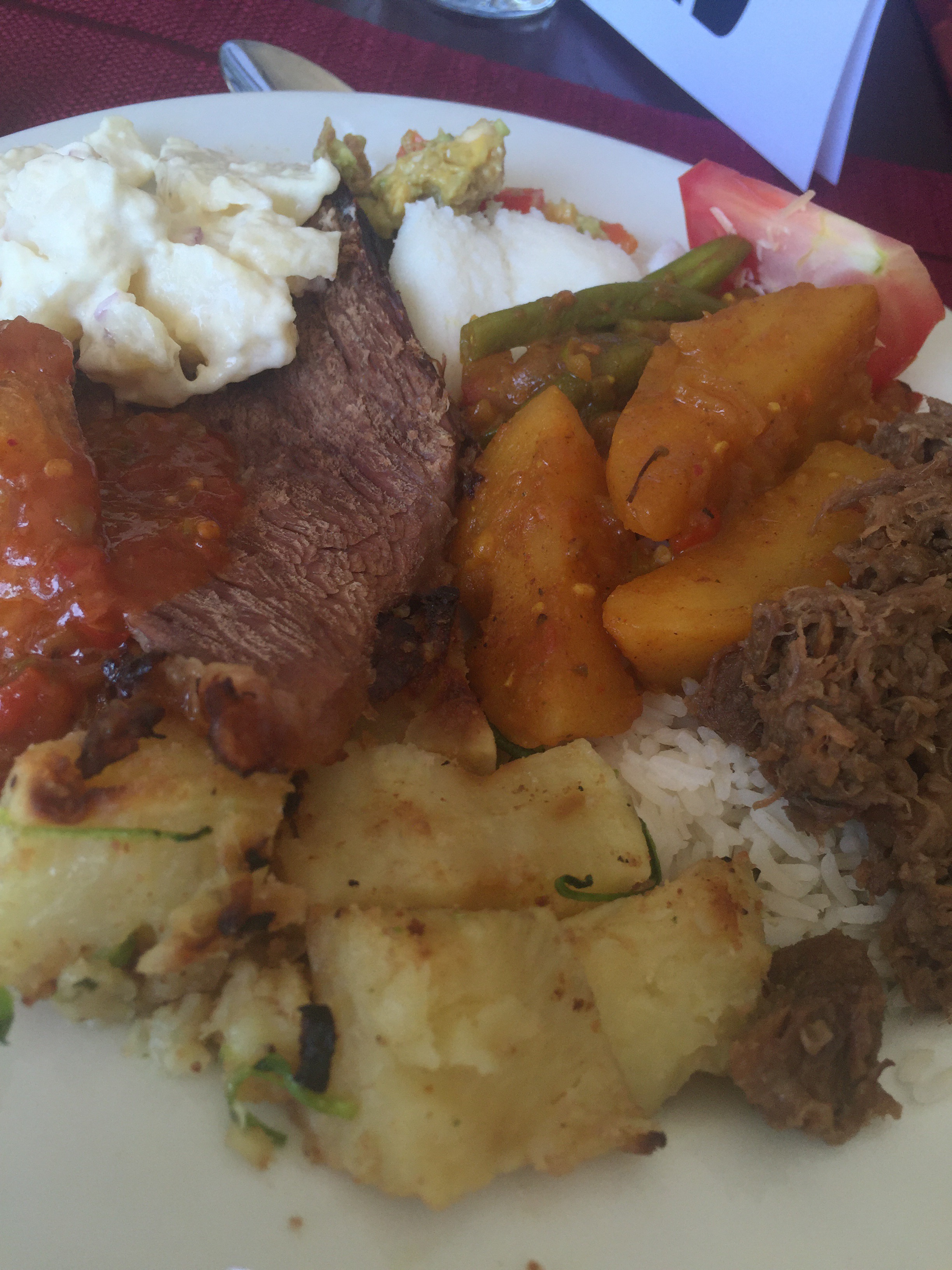
We also got to sit in on a handful of lectures for a nurse prescriber course while we’ve been here. The class is for nurses who are getting certified to see HIV patients and prescribe them ART (antiretroviral therapy). How cool is it that nurses here can prescribe!! The lectures were given by doctors from Botswana, the US, and Kenya who’ve specialized in HIV (if you’re on snapchat then you’ve seen the mouthwatering meals that accompany the lectures). Then we went out with the nurses to observe their clinical rotations for the course.
This experience in Africa has been completely different from my other experiences here, really from any experience ever. It’s been so educational and eye opening… I can’t wait to share more with you all! More to come soon 🙂
Xoxo
Kim
 Doing the kImpossible